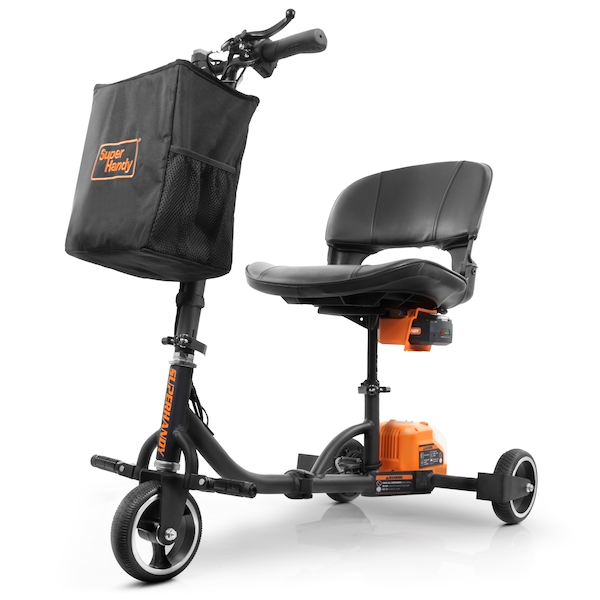
The rise of electric mobility scooters has revolutionized how many individuals navigate their daily lives, providing a practical solution for seniors and those with disabilities. As society becomes more cognizant of environmental issues, it's essential to evaluate the ecological footprint of these devices. This article delves into the environmental impact of mobility scooters, exploring their benefits, associated concerns, and how they align with a more sustainable future.
Understanding Mobility Scooters
Mobility scooters are versatile personal transport devices designed for individuals with limited mobility. They can be categorized into different types, including:
- 3 Wheel Scooters
- 4 Wheel Scooters
- Enclosed Mobility Scooters
Among these, 3 wheel scooters and 3 wheel electric scooters stand out due to their lightweight design, making them ideal for both indoor and outdoor use. These three wheel electric scooters are particularly popular for their ease of maneuverability.
Environmental Benefits of Electric Mobility Scooters
One of the primary advantages of using a mobility scooter is its reduced environmental impact compared to traditional vehicles. Here's how:
Lower Emissions
Electric mobility scooters produce zero tailpipe emissions, which means they do not contribute to air pollution. This aspect is crucial for urban areas facing challenges related to air quality. By choosing a 3 wheel power scooter over a gas-powered vehicle, users can significantly lower their carbon footprint.
Energy Efficiency
These scooters are designed to be energy-efficient. A medical motorized scooter uses less energy per mile than a car, making them an eco-friendly choice for short trips or errands. Shifting from cars to electric scooters for daily tasks can lead to a significant reduction in overall energy consumption.
Recyclable Materials
Many modern mobility scooters are manufactured using recyclable materials, contributing to a circular economy. When a scooter reaches the end of its life cycle, parts can often be repurposed or recycled rather than ending up in landfills. This practice not only minimizes waste but also supports environmental sustainability.
The Life Cycle of a Mobility Scooter
The environmental impact of mobility scooters extends beyond their usage. Analyzing the entire life cycle offers a more comprehensive view:
Manufacturing Phase
The production of mobility scooters, such as a foldable mobility scooter or folding disability scooter, involves the extraction and processing of raw materials, which can have environmental consequences. However, manufacturers increasingly strive to implement sustainable practices. Some of these include:
- Utilizing eco-friendly materials
- Minimizing energy consumption during production
- Implementing waste recycling programs
Usage Phase
During their operational life, mobility scooters like a 3 wheel scooter for adults or three wheel scooter for adults contribute positively by providing an emission-free mode of transport. The lifespan of a typical mobility scooter can be significant, often lasting several years with proper maintenance.
End of Life Phase
When it comes time to dispose of a medical scooter or foldaway mobility scooters, many companies offer recycling programs that ensure responsible disposal. Users should seek manufacturers and retailers that support these initiatives, reinforcing sustainable choices in the mobility industry.
Challenges and Concerns
While electric mobility scooters offer several environmental benefits, challenges and concerns must be considered:
Resource Consumption
The production of batteries for electric scooters, including scooters for seniors and motorized scooters for seniors, involves significant resource consumption. Rare and potentially harmful materials may be used in battery production, raising questions about sustainable sourcing practices.
Battery Disposal
Improper disposal of batteries can lead to environmental contamination. Users must be educated on the importance of recycling batteries to minimize their ecological impact. Many local shops, including retailers offering mobility scooters near me, may have programs in place for battery disposal or recycling.
Infrastructure Limitations
The current infrastructure often lacks adequate support for electric mobility vehicles. Limited charging stations and designated parking can deter potential users. Advocacy for better infrastructure is crucial to ensure that mobility scooters can be utilized efficiently and sustainably.
Making Informed Choices
When considering the purchase of an electric scooter, users should be informed about their options. Here are some tips to help make an eco-friendly decision:
Choose Energy-Efficient Models
Look for models that prioritize energy efficiency, such as lightweight folding scooters designed to use less electricity while providing optimal performance.
Investigate Sustainability Practices
Research manufacturers to understand their sustainability initiatives. Those that utilize renewable resources in production or offer recycling programs for end-of-life scooters can contribute to a greener planet.
Opt for Local Purchases
Selecting electric scooters from local retailers, such as those found with a search for disabled scooters near me, can reduce transportation emissions and support the local economy. Local businesses often have firsthand knowledge about the environmental impact of the products they sell.
Community and Environmental Advocacy
Building a strong community around electric mobility is essential for encouraging broader acceptance and usage. Many users can engage in advocacy at local levels by:
- Promoting awareness about the benefits of mobility scooters.
- Participating in community programs that foster infrastructure improvements.
- Encouraging sustainability practices and responsible disposal within the community.
Community engagement is a powerful tool, making it easier for individuals to access essential services while minimizing their environmental impact.
The Bright Future of Electric Mobility Scooters
The future of electric mobility scooters looks promising, with ongoing advancements in technology and increased awareness regarding sustainability. These vehicles are becoming a staple of eco-conscious living for seniors and individuals with disabilities. As more people recognize the benefits, electric scooters will likely play a significant role in shaping a greener future.
Embracing the electric mobility scooter lifestyle not only enhances personal mobility but also contributes positively to the planet. By making informed decisions, engaging in community efforts, and choosing sustainable products, every individual can be a part of this transformation. As we advocate for change, let’s ride towards a sustainable future, one electric scooter at a time!