|
Factor
|
Foldable
|
Non Foldable
|
|
Weight
|
20 to 30 kg
|
60 to 100+ kg
|
|
Range per charge
|
15 to 40 km
|
30 to 50+ km
|
|
Seat comfort
|
Good for short trips
|
Better for all-day use
|
|
Terrain
|
Pavements, smooth paths
|
Gravel, grass, curbs
|
|
Storage
|
Folds into a trunk
|
Needs a hoist or van
|
|
Typical buyer
|
Travelers, apartment users
|
Daily, outdoor users
|
Both designs do the same core job. The difference lies in what each one prioritizes.
How Are the Two Different?
Design
The folding model is built around portability. Its frame collapses, its parts are lighter, and its battery is smaller. You give up some strength to gain the freedom to travel.
The non-foldable model is built around endurance. A rigid frame supports larger motors, bigger batteries, and heavier users. It cannot fold, but it handles constant use far better.
Neither approach is a compromise on quality. Each one simply serves a different kind of user.
Weight and Portability
A foldable electric wheelchair weighs between 20 and 30 kilograms. One person can lift it into a trunk without ramps or modifications. This matters most if you travel by car or fly often.
A non foldable chair weighs 60 to 100 kilograms or more. It usually requires a hoist or a wheelchair-accessible vehicle. Transport becomes a planned task rather than a quick lift.
The practical gap shows up in three places:
-
Cars: Foldable models fit standard trunks. Non foldable models often need a ramp or lift.
-
Air travel: Many folding chairs meet airline checked baggage rules. Most rigid chairs do not.
-
Home storage: A folded chair tucks into a closet. A fixed-frame chair needs floor space.
If portability drives your decision, the portable electric wheelchair wins clearly.
Battery Range and Power
Battery size follows frame size. A larger chair holds a larger battery, so it travels farther per charge.
Here is how the two compare:
-
Non foldable: Typically 30 to 50 kilometers per charge, sometimes more
-
Foldable: A lightweight electric wheelchair usually manages 15 to 40 kilometers
Real world range always shifts with conditions. Three factors matter most:
-
Terrain, since hills and rough ground drain power faster than flat pavement
-
User weight, which affects how hard the motor works
-
Stop start use, which uses more energy than steady travel
For short daily trips, a folding battery is more than enough. For long days outdoors, the larger battery removes range anxiety. Match the capacity to your longest regular journey, not your average one.
Comfort and Stability
Comfort separates the two designs over long periods.
|
Non Foldable
|
Foldable
|
|
Seat
|
Wider, thicker cushioning
|
Lighter, firmer
|
|
Support
|
Better for all day sitting
|
Fine for shorter trips
|
|
Ride
|
Smoother on rough ground
|
More vibration on bumps
|
|
Wheels
|
Larger, more stable
|
Smaller, more compact
|
Non foldable chairs suit users who sit for most of the day. Folding chairs feel firmer and transmit more vibration on uneven ground. For short indoor or pavement use, most people find them comfortable enough.
Stability favors the rigid frame outdoors. Larger wheels and a wider base absorb curbs and gravel with ease. A folding electric wheelchair handles these surfaces, but with a bumpier ride.
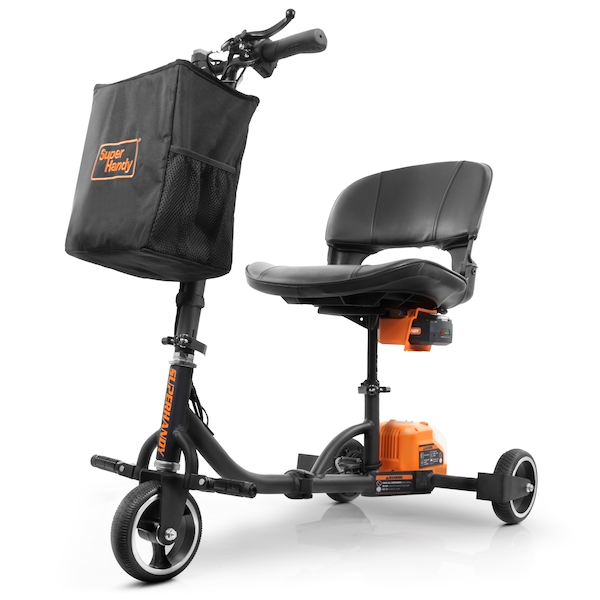
Some buyers weighing long outdoor trips also consider a mobility scooter. It offers a different seating position and often a longer range. The right fit depends on how and where you travel.
Durability and Weight Capacity
Rigid frames are built for heavy, repeated use. Their strengths are clear:
-
Reinforced construction resists years of daily wear
-
Higher weight capacities, often 130 kilograms or more
-
Better suited to full time, intensive use
Folding chairs are reliable but built for lighter duty. They favor convenience over maximum ruggedness, which works well for part-time or travel use.
Check the weight capacity before you buy either type. A frame that fits the user prevents strain and early failure.
Cost and Value
Non-foldable chairs cost more upfront. The price reflects bigger batteries, stronger motors, and advanced seating. For full-time users, that investment pays off in comfort and lifespan.
Folding chairs cost less to buy and to run:
Value depends entirely on the match. A travel chair used all day will wear out fast. A heavy-duty chair used only for errands wastes money and space.
Which One Is Right for You?
Picture your typical week before you decide. Where do you go, how far, and how do you get there? Those answers point to the right design.
Choose foldable if you:
-
Travel often or fly regularly
-
Live in a small home or apartment
-
Rely on a car for daily trips
Choose non foldable if you:
-
Use the chair for most of the day
-
Need extra comfort and postural support
-
Face rough or uneven terrain
Some buyers also keep a power recliner chair at home for rest between trips. We stock both types because real needs vary. The best chair is the one that fits your life, not the one with the longest spec sheet
Frequently Asked Questions
Is a foldable or non foldable wheelchair better?
Neither is better outright. Foldable suits travel and storage. Non-foldable suits all-day, outdoor, and heavy use.
Can a foldable electric wheelchair go off-road?
It manages pavements and light paths well. Rough or uneven ground suits a sturdier, non-foldable frame.
How far can a folding wheelchair travel on one charge?
Most cover 15 to 40 kilometers. Terrain, user weight, and stop-start use affect the real figure.
Are non foldable wheelchairs more comfortable?
Usually, yes, for long days. Their wider seats and cushioning support hours of continuous sitting.
Can I take a foldable wheelchair on a plane?
Many models and mobility scooters meet airline rules and fold small enough for checked baggage. Always confirm with your airline first.