Key Takeaways
-
Mobility scooters provide independence for individuals with mobility challenges, enhancing their quality of life.
-
Environmental impact of mobility scooters includes concerns over lithium-ion battery production and e-waste.
-
Choosing energy-efficient models can significantly reduce the environmental footprint of mobility scooters.
-
Opt for recyclable materials in mobility scooters to contribute to a circular economy and reduce waste.
-
Regular maintenance of mobility scooters can extend their lifespan and minimize environmental impact.
-
Innovative solutions like solar charging and hybrid models are emerging to promote sustainable mobility options.
-
Community engagement is essential for advocating sustainable mobility practices and supporting eco-friendly manufacturers.
As the world increasingly acknowledges the urgent need for environmental conservation, every aspect of our lives, from personal transport to daily habits, is under scrutiny. Among the various forms of transport, mobility scooters have gained popularity, offering convenience and independence to those in need. However, with their rise in usage comes a question worth exploring: what is the environmental impact of mobility scooters, and how can we make sustainable choices?
Understanding Mobility Scooters
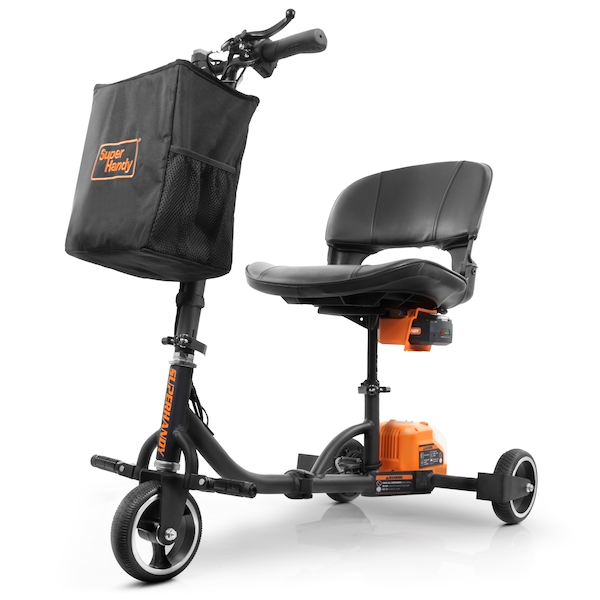
Mobility scooters, including 4-wheel mobility scooters and 3 wheel scooters, have become invaluable for individuals with mobility challenges. These devices provide a means of transportation, allowing users to regain their independence. Whether one opts for a 3 wheel electric scooter or a sturdy 4-wheel mobility scooter, they are designed to aid in navigating various terrains, ultimately enhancing the quality of life for many.
The Growing Popularity of Mobility Scooters
With increasing age demographics and the growing population of those with disabilities, the demand for mobility options has never been higher. Mobility scooters available include:
-
3 wheel electric scooters: Often more maneuverable and suited for tighter spaces.
-
4-wheel mobility scooters: Generally provide better stability for outdoor use.
-
Foldable mobility scooters: Ideal for those who need a portable solution.
-
Enclosed mobility scooters: Offering protection from elements, perfect for year-round usage.
To meet the diverse needs of users, it's crucial to recognize the environmental implications of these modes of transport. Understanding their impact helps us make informed decisions when searching for mobility scooters near me or looking for the best medical motorized scooter.
The Environmental Footprint of Mobility Scooters
While mobility scooters help individuals maintain independence, they are not without their environmental implications. Most scooters rely on lithium-ion batteries, which pose sustainability challenges in their production, use, and disposal.
Battery Production and E-Waste
The production of batteries involves mining processes that are often environmentally damaging. The extraction of lithium, cobalt, and other necessary materials not only depletes resources but can also lead to significant ecological disruptions in mining regions worldwide. Additionally, when these batteries are discarded, they contribute to the growing e-waste crisis since improper disposal can result in hazardous substances leaching into soil and groundwater.
Energy Consumption
While electric mobility scooters are more efficient than gas-powered alternatives, they still require energy—often from sources that may not be renewable. The impact varies based on local energy sources. If electricity is derived from fossil fuels, then the environmental benefits of operating a medical scooter can significantly diminish.
Choosing Sustainable Options
Despite the challenges, there are ways to make sustainable choices when selecting a mobility scooter:
Look for Energy-Efficient Models
Select models that are known for their energy efficiency. Some manufacturers focus on creating scooters with extended battery life and low energy consumption, which can substantially reduce the environmental footprint during usage.
Opt for Recyclable Materials
When considering a 3 wheel power scooter or any mobility device, check if the model is made from recyclable materials. This choice contributes to a circular economy, reducing waste and the need for raw material extraction.
Battery Lifecycle Considerations
Research the manufacturer’s policy on battery disposal and recycling. Many companies are initiating programs to recycle their batteries, reducing problems related to e-waste. This is crucial for individuals searching for disabled scooters near me or scooters for seniors.
Maintenance and Longevity
Regular maintenance can extend the life of your mobility scooter. Ensuring that your folding scooter or any model you choose remains in good condition not only maximizes usability but also minimizes the environmental impact associated with production and disposal.
The Shift Towards Eco-Friendly Alternatives
As the demand for sustainable options increases, more companies are beginning to innovate. For instance, electric scooters with solar charging capabilities are being introduced, providing a cleaner energy source. This innovative approach can further minimize the ecological footprint of mobility devices, making choices like the foldable mobility scooter an even better option for environmentally conscious consumers.
Community Engagement and Education
Engaging local communities about the importance of sustainable mobility options is essential. Advocating for cleaner energy sources, understanding battery disposal, and supporting manufacturers focused on sustainability can create broader change. When searching for mobility scooters near me, consider providers who prioritize sustainability in their mission.
Exploring Innovative Mobility Solutions
As we look to the future, the mobility industry is evolving. Here are some potential innovations that may influence eco-friendly mobility:
-
Hybrid Models: Integrating traditional fuel sources with electric to reduce overall emissions.
-
Smart Technology: Incorporating AI and smart features to enhance energy efficiency.
-
Shared Mobility Options: Introducing shared scooter programs to reduce the number of personal scooters, thus cutting down on production waste.
Mobility as a Service (MaaS)
The concept of Mobility as a Service (MaaS) loosely envisions a future where integrated transportation solutions are the norm. Users can seamlessly access various mobility options without needing to own a scooter. This model can potentially reduce environmental impacts by minimizing gear ownership while still providing access to essential transit options, including motorized scooters for seniors.
Final Thoughts on Greener Mobility
In a world striving for sustainability, the choices we make regarding mobility are significant. By opting for environmentally friendly solutions and staying informed about the life cycle of mobility scooters, every individual can contribute to a greener planet. Embracing innovation and community awareness transforms this necessity into an opportunity to care for our environment while ensuring that those with mobility challenges have the independence they deserve. So, when you're surfing the net for options such as a scooter for elderly or a three wheel scooter for adults, remember to keep sustainability at the forefront of your choices!
Linked Product

FreeRider USA FR1 City 40-Mile Range 4-Wheel Mobility Scooter
The FreeRider USA FR1 City 4-Wheel Mobility Scooter is designed for comfortable and safe urban commuting, featuring a deluxe swivel seat and advanced safety lights for enhanced visibility. With a range of up to 40 miles on a full charge, it accommodates longer journeys while supporting a maximum load capacity of 400 pounds. Its four-wheel design and suspension system provide stability, making it suitable for navigating city environments and tackling minor obstacles.
View Product