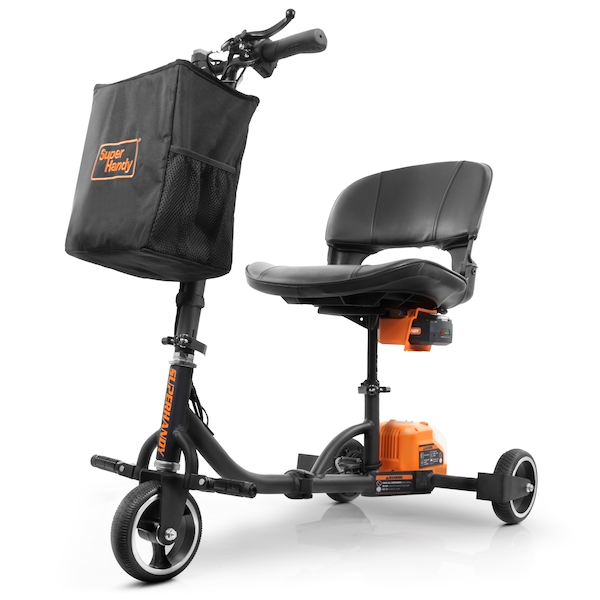
Air travel with a portable electric wheelchair is allowed on most U.S. airlines. Many travelers rely on this support during flights.
At the same time, airlines follow strict safety checks. Therefore, every wheelchair must meet 2 things:
-
Specific battery
-
Size requirements
Because of this, a traveler needs to understand how airline approval works and what steps are expected at each stage of the journey.
Once these details are clear, it becomes easier to move through check-in and boarding. Let us clear those details in the following blog.
What Is a Portable Electric Wheelchair in Air Travel?
A portable electric wheelchair is designed specifically for travel. Since airlines need equipment that fits within cargo limits, these wheelchairs are built with a compact frame that folds into a smaller size. As a result, airport staff can load and unload the chair easily.
At the same time, most models include a removable battery, which supports airline inspection during check-in. Battery checks are part of safety procedures. So, easy access helps staff verify compliance quickly.
To understand what makes a wheelchair suitable for air travel, focus on these features:
-
Folding structure: This reduces the space required in the aircraft hold.
-
Compact frame: This helps the chair fit within airline limits.
-
Removable battery: This supports smooth approval during inspection.
-
Simple handling design: This helps staff move the chair safely.
Each of these points connects directly to how airlines manage mobility equipment during travel.
Why Air Travel Requires Special Planning for Electric Wheelchairs
Air travel involves strict safety checks, so every wheelchair must meet airline requirements before acceptance. Because the chair is placed in the aircraft hold, the battery must follow approved transport standards. At the same time, the overall size must match available cargo space.
As the process continues, airline staff rely on clear instructions to handle each wheelchair properly. Since many devices are processed daily, proper labeling helps avoid confusion.
To keep things clear, airlines usually focus on the following:
|
Area Checked
|
What It Means for You
|
|
Battery type
|
Must meet airline safety rules
|
|
Battery size
|
Must stay within allowed limits
|
|
Wheelchair size
|
Must fit cargo hold dimensions
|
|
Instructions
|
Must be clearly shared with staff
|
Because each step happens before loading, preparation becomes essential.
Can You Take a Portable Electric Wheelchair on a Plane
Yes, U.S. airlines allow electric wheelchairs under federal guidelines, which makes air travel accessible for many users. However, approval depends on battery type, so the airline reviews this before confirming acceptance.
As the process moves forward, most airlines request advance notice, which is usually at least 48 hours before departure. This gives the airline time to prepare handling instructions and confirm storage arrangements.
To keep the process smooth, follow these steps:
-
Inform the airline before travel
-
Share battery details when asked
-
Confirm handling instructions at check-in
Once these steps are completed, airport handling becomes more predictable.
Battery Rules You Must Understand Before Flying
Lithium Ion Battery Limits
Lithium-ion batteries must stay within airline limits, which are usually measured in watt-hours. Most airlines allow batteries up to 300 watt-hours for powered mobility devices.
If a second battery is carried, it must stay under 160 watt-hours. In some cases, airlines may ask you to remove the battery & carry it in the cabin.
Sealed Lead Acid Batteries
Sealed lead acid batteries are accepted if they are spill-proof. These batteries often remain attached to the wheelchair during travel.
Even then, airline staff may inspect connections before loading to ensure safety.
What Airlines Check at the Airport
Airline staff review battery labels during check-in to confirm specifications. They also check if the battery is secured and protected.
To avoid confusion, keep this ready:
|
Requirement
|
What to Carry
|
|
Battery label
|
Visible watt-hour rating
|
|
Documentation
|
Battery specifications sheet
|
|
Confirmation
|
Airline approval if required
|
These checks help ensure the safe transport of your wheelchair.
Size and Weight Restrictions That Affect Your Travel
Aircraft cargo space varies depending on the aircraft type, which affects how wheelchairs are stored. Smaller aircraft have limited space, so size becomes an important factor.
A folding design helps reduce the overall footprint of the chair. This is where an electric portable wheelchair becomes useful during travel.
Weight also plays a role because staff must lift and position the chair carefully. A manageable weight supports safer handling during transfers.
What Happens at the Airport with Your Wheelchair
Before Security
You arrive at the check-in counter and inform the airline staff about your wheelchair. The staff records battery details and adds handling instructions.
They may also attach a mobility tag to guide ground staff.
At the Gate
You can usually use your wheelchair until boarding begins. At the gate, staff take the chair and prepare it for loading.
They may fold the chair or secure loose parts before moving it.
After Landing
The wheelchair is returned either at the aircraft door or the baggage area. You should confirm this before boarding to avoid confusion later.
If there is any delay, speak with the ground staff immediately.
How to Prepare Your Wheelchair Before the Flight
Preparation helps reduce risk during handling and ensures smooth airline processing. Since each step connects to the next, it is best to follow a simple order.
|
Step
|
What You Should Do
|
|
Battery
|
Charge fully and confirm rating
|
|
Labeling
|
Add contact details clearly
|
|
Controls
|
Protect joystick properly
|
|
Accessories
|
Remove loose parts
|
|
Photos
|
Take clear images before check-in
|
Once these steps are completed, your wheelchair is ready for travel.
Common Travel Issues and How to Handle Them
Handling damage can occur during loading, so it is important to report it immediately at the airport. Airline staff will guide you through the claim process.
Delays in returning the wheelchair may happen at busy airports. In such cases, speaking to staff quickly helps resolve the issue.
Battery confusion can also create delays during inspection. Keeping clear battery information helps avoid this situation.
Choosing the Right Wheelchair for Air Travel
The choice of wheelchair affects how smoothly your travel goes, so it is important to focus on practical features.
To keep things clear, focus on these points:
-
Folding frame: This helps reduce storage space.
-
Removable battery: This supports airline inspection.
-
Compact dimensions: This ensures cargo compatibility.
-
Manageable weight: This helps with safe handling.
As you review available options, a portable electric wheelchair for adults often provides stable support for long travel days. This becomes important when moving through large airport terminals where distance and time both matter.
Because each of these points connects to real travel situations, selecting the right model becomes a practical step before booking your flight.
Where to Buy a Travel-Friendly Wheelchair
If you plan to travel often, choosing the right supplier helps simplify the process. Mobility Queens offers a range of travel-ready, lightweight portable electric wheelchairs designed for real use cases.
The website provides clear details on battery type, weight, and dimensions. This makes it easier to select a model that fits airline requirements.
Final Thoughts
Air travel with a portable electric wheelchair becomes manageable when you prepare in advance and understand airline requirements clearly. Each step, from battery checks to airport handling, plays a role in the overall experience.
When you plan ahead and stay informed, the journey becomes easier to handle from start to finish.
FAQs
Can I use my wheelchair until boarding?
Yes, most airlines allow this. You hand it over at the gate before boarding.
What battery documents should I carry?
You should carry battery specifications and watt-hour details. This helps during airline checks.
How early should I reach the airport?
Arrive at least two to three hours before departure. This allows time for inspection and assistance.
What should I do if my wheelchair is delayed?
Speak to airline staff immediately after landing. They will track and return your wheelchair.